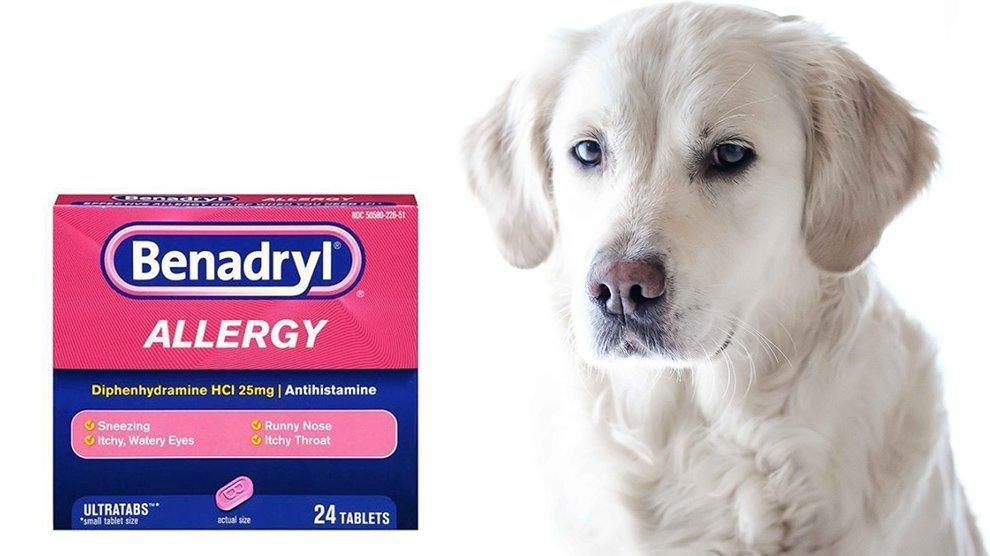
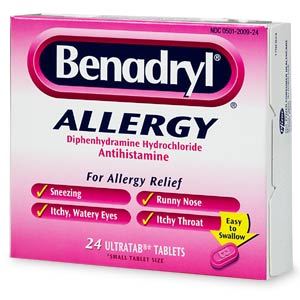
June 20, 2025 -Diphenhydramine (Benadryl) and cetirizine (Zyrtec) aresafe for dogs.
topical or oral steroids (prednisone is most commonly used) andantihistamines (diphenhydramine – brand name Benadryl®, cetirizine – brand names Reactine®, Zyrtec®) to reduce the itching.

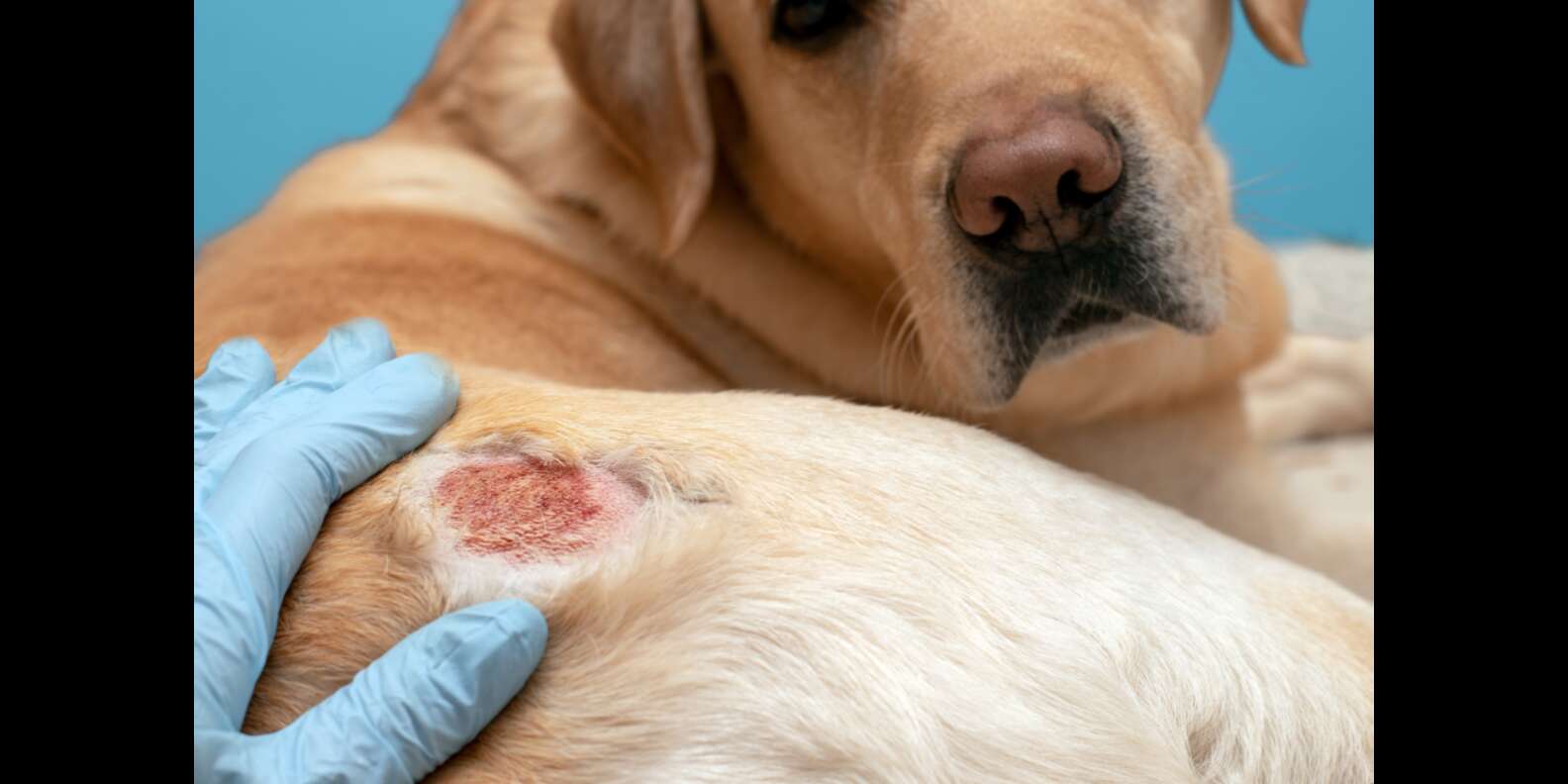
Treatment involves cleaning the area, trimming fur, and applying vet-approved topical antibiotics or antifungals. Over-the-counter options like Lotrimin may help but consult a vet first.Oral antihistamines like Benadryl can reduce itching.

February 20, 2026 -Will Benadryl help dog hot spot long-term? No. Relying solely on Benadryl has several drawbacks: It doesn’t address the root cause: It doesn’t eliminate fleas, resolve allergies, or treat infections.

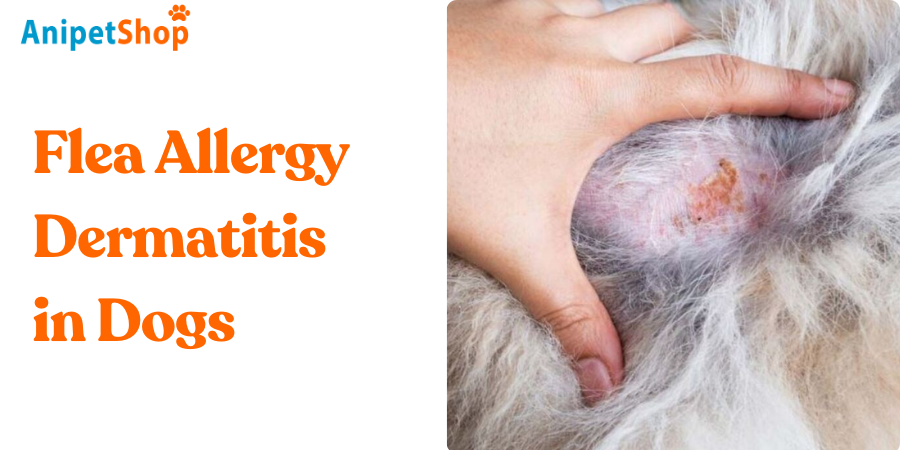
Furthermore, visual representations like the one above help us fully grasp the concept of Benadryl For Hot Spots In Dogs With Flea Allergies.
Answer (1 of 4): Not even a little.Benedryl is only good for hives or the early stages of an anaphylactic reaction, which are not presetnt in hot spots. Hot spots require clipping the fur from the site, cleaning it, and applying a combination ...
June 13, 2025 -Many allergy symptoms in dogs stem from dietary sensitivities or immune system imbalances, which is why a high-quality, fresh diet like Spot & Tango’s can help naturally support skin health and reduce allergic reactions without the need for daily medication. While Benadryl can provide short-term relief, it’s not a long-term solution for allergies. If your dog frequently suffers from itching, hot spots, or skin irritation, it may be a sign of an underlying issue, such as a dietary sensitivity or poor nutrition.