Learn aboutchocolatepoisoningindogs, symptoms, toxicity risks, and precautions to keep pets safe. Updated for 2025 with expert advice.
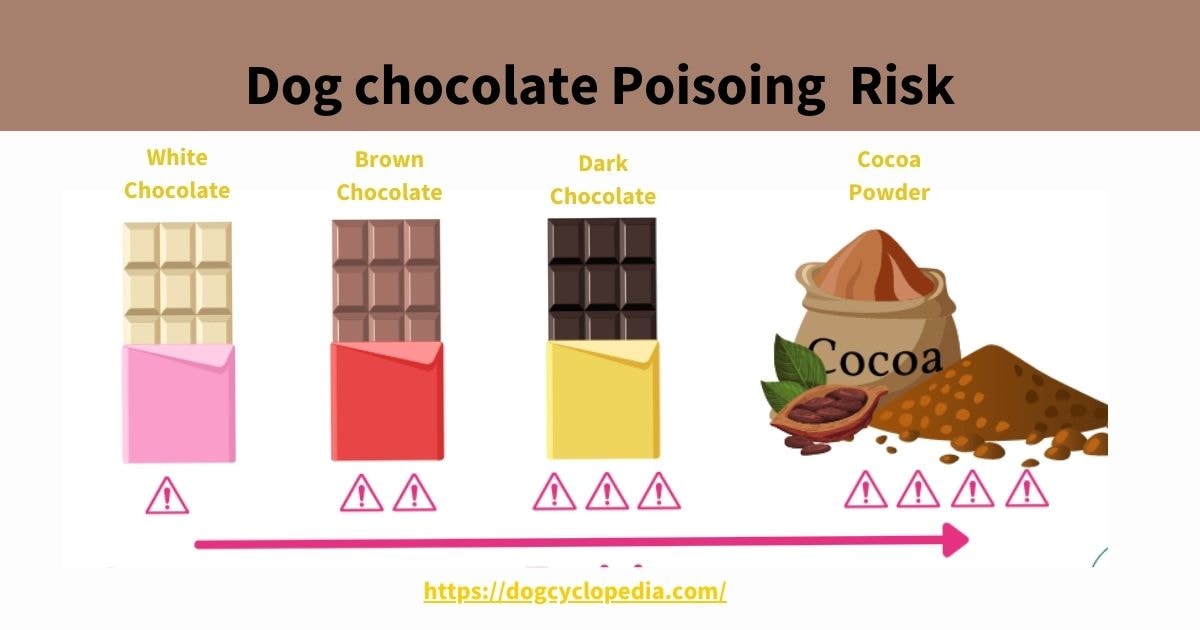
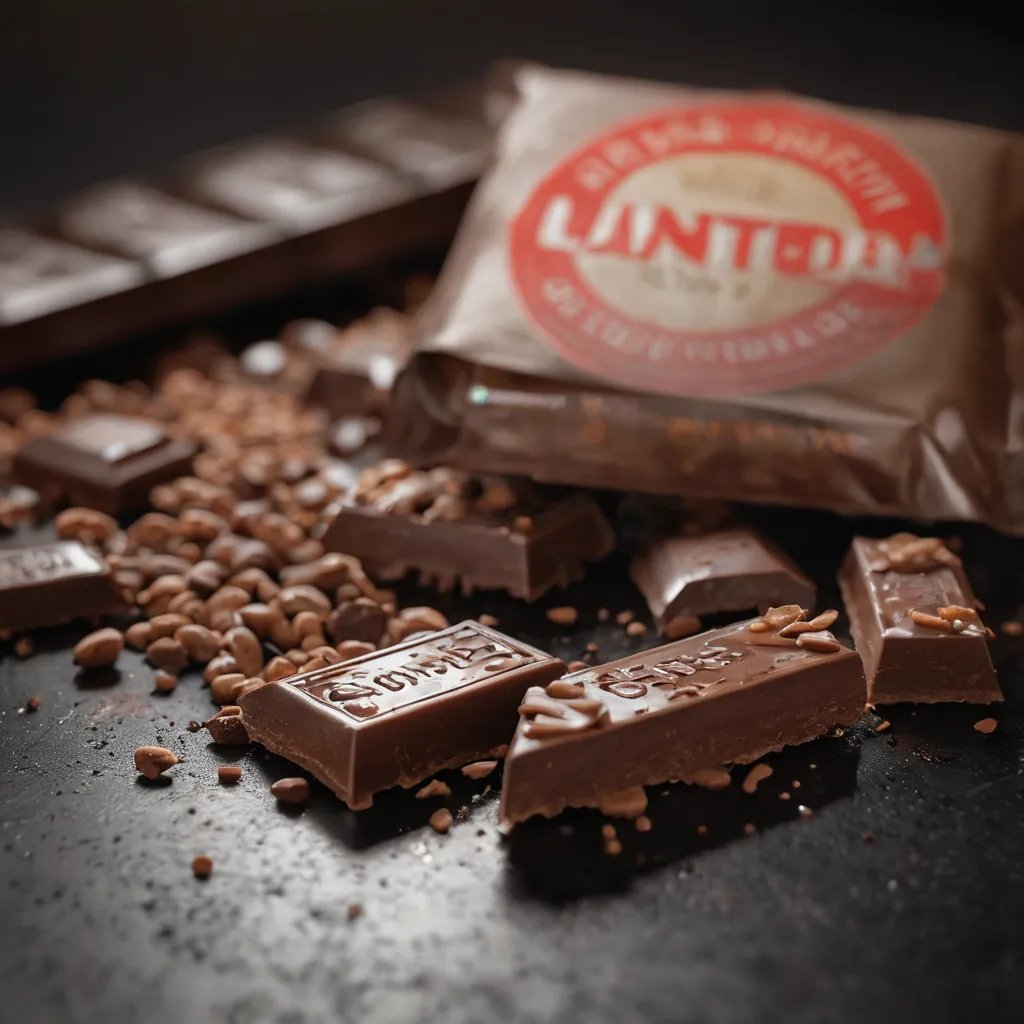
Chocolateis made from the fermented, dried then roasted beans of Theobroma cacao (Figure 1). After roasting, the shell is removed, and the remaining nibs are ground to cocoa mass which is liquefied to producechocolateliquor. This can then be processed into cocoa solids and cocoa butter. Cocoa nibs (cacao nibs) are roasted, cracked deshelled beans in broken pieces.
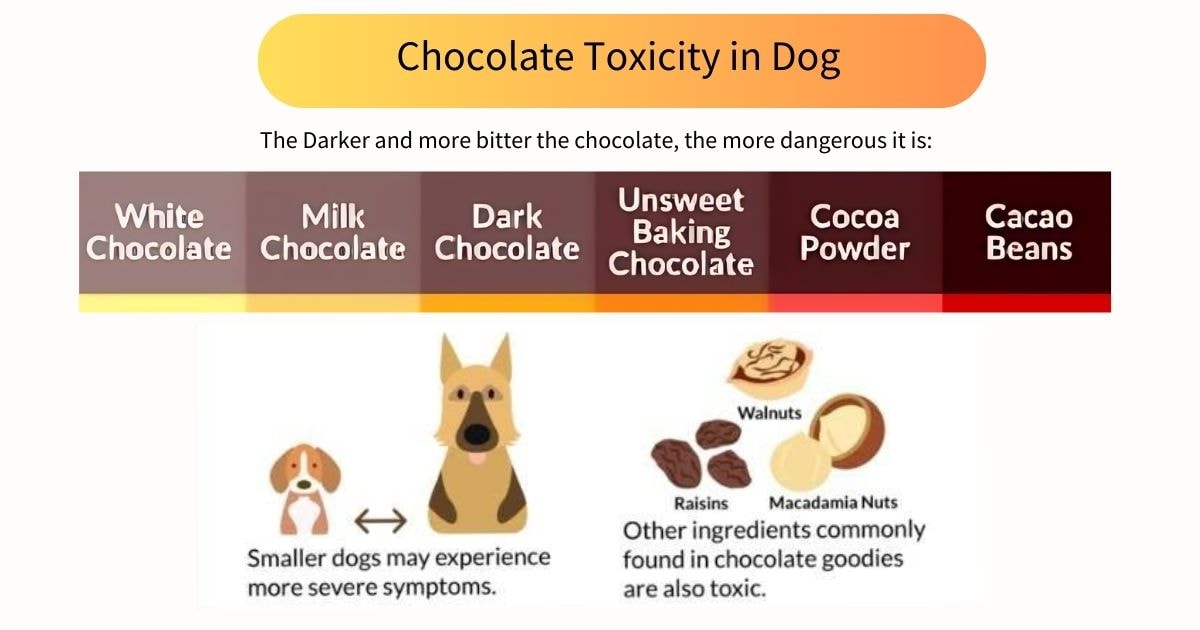
Small dogs,seniordogs, and those with existing heart conditions face higher risks fromchocolatetoxicity. The same amount ofchocolatethat causes mild symptoms in a large dog could be life-threatening for a small breed.

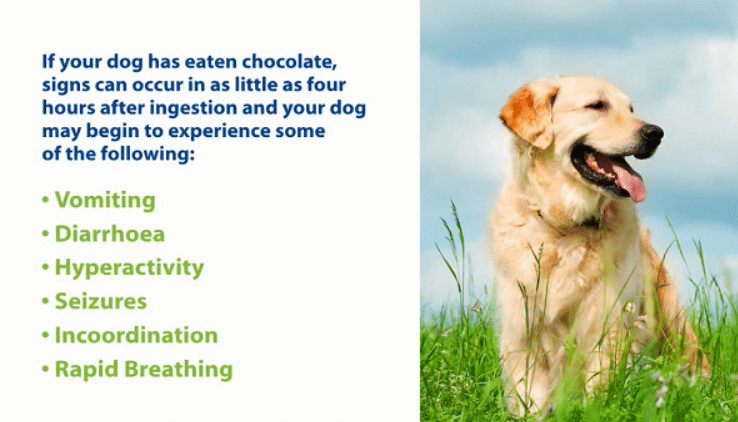
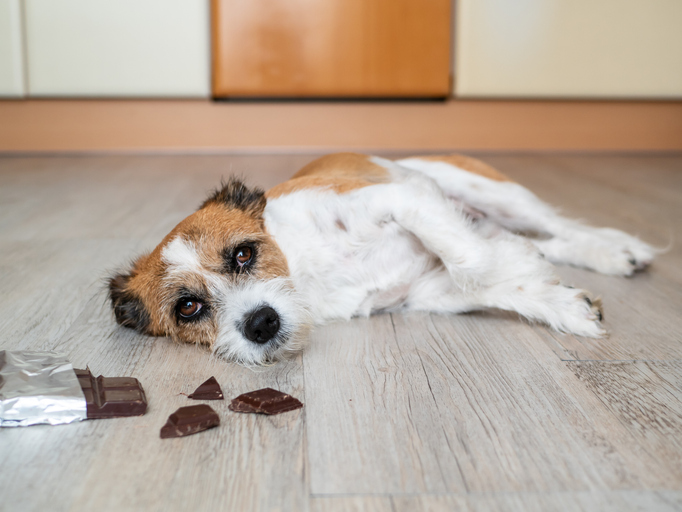
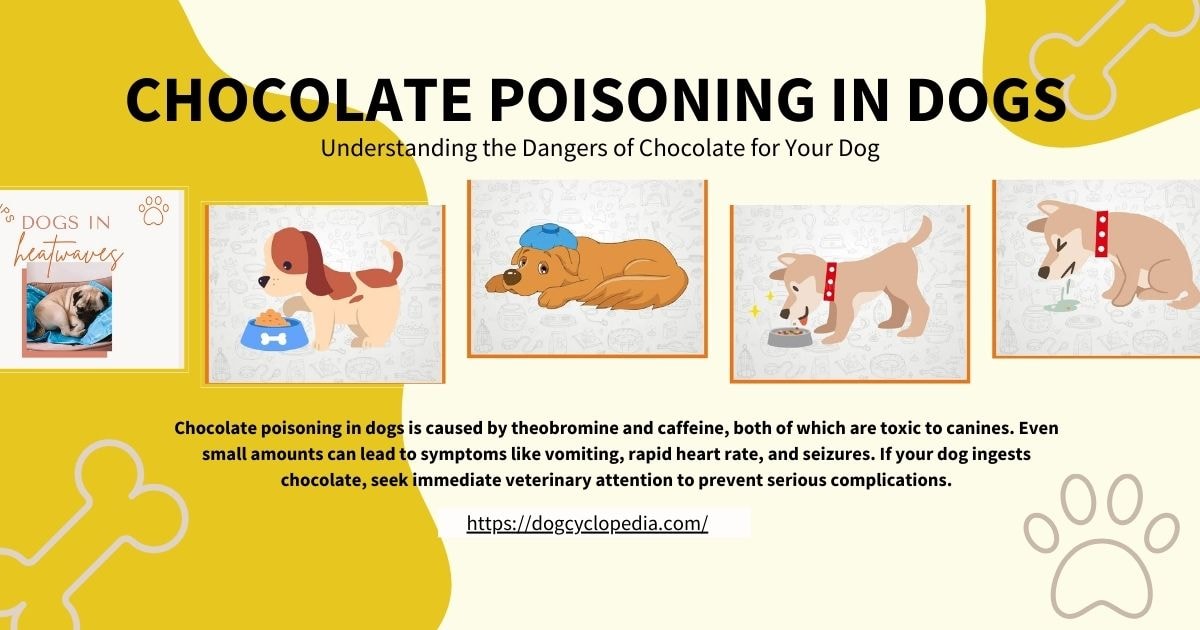
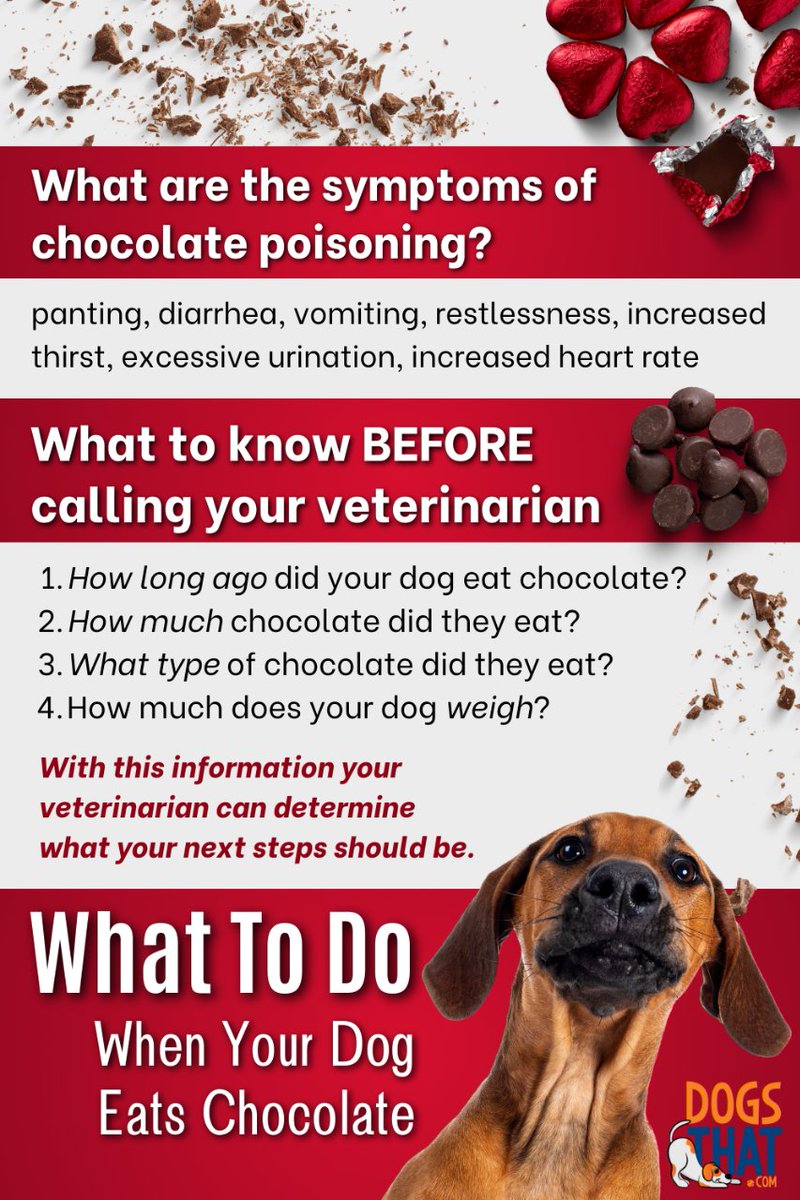
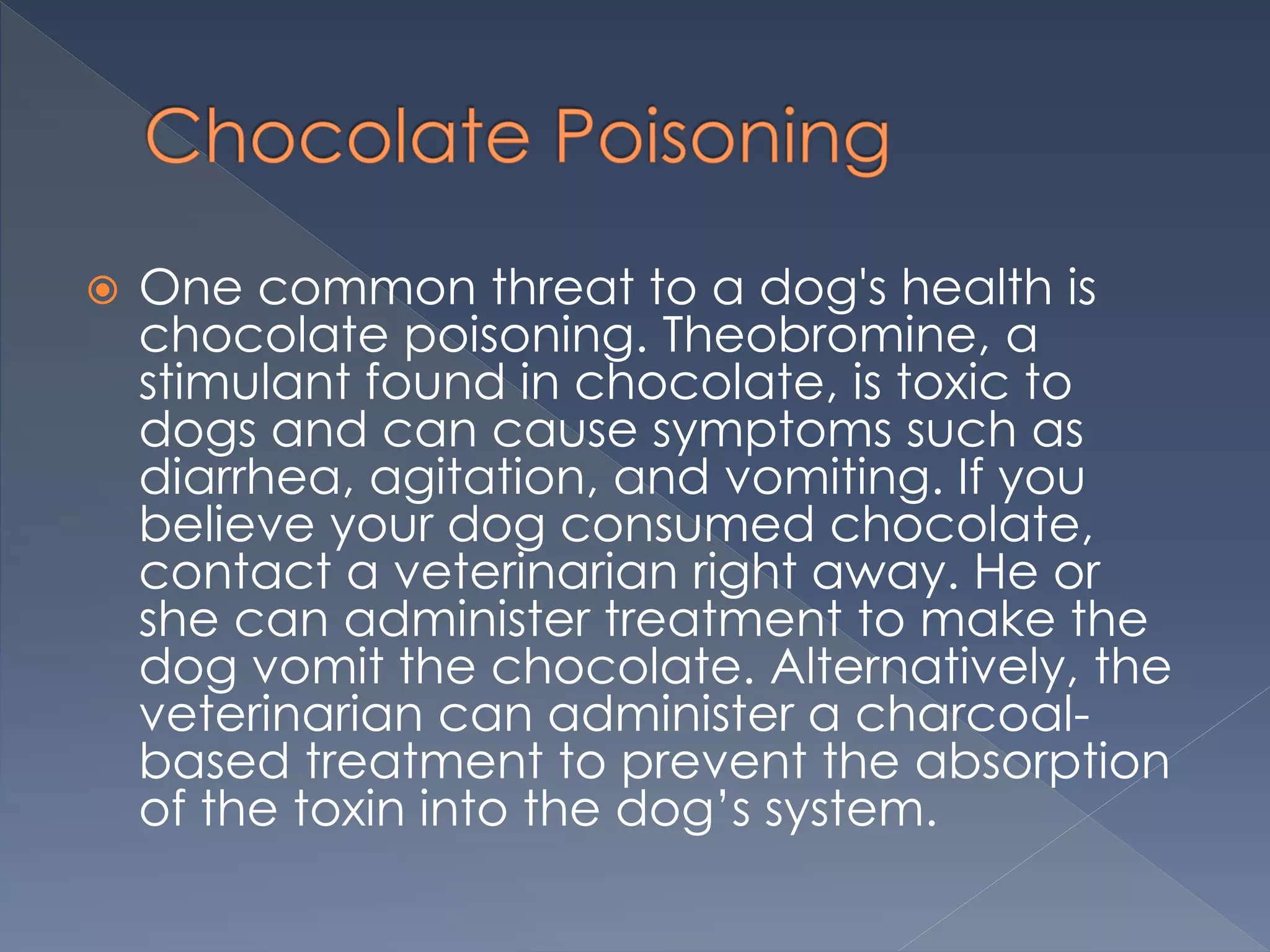
Animal TrustChocolatePoisoninginDogs Explained: When Is It an Emergency?Chocolatetoxicity in dogs is one of the most commonpoisoningemergencies we see at Animal Trust Vets.Chocolatecontains theobromine, a substance that dogs cannot metabolise effectively. This allows it to build up in the body and cause toxic effects.
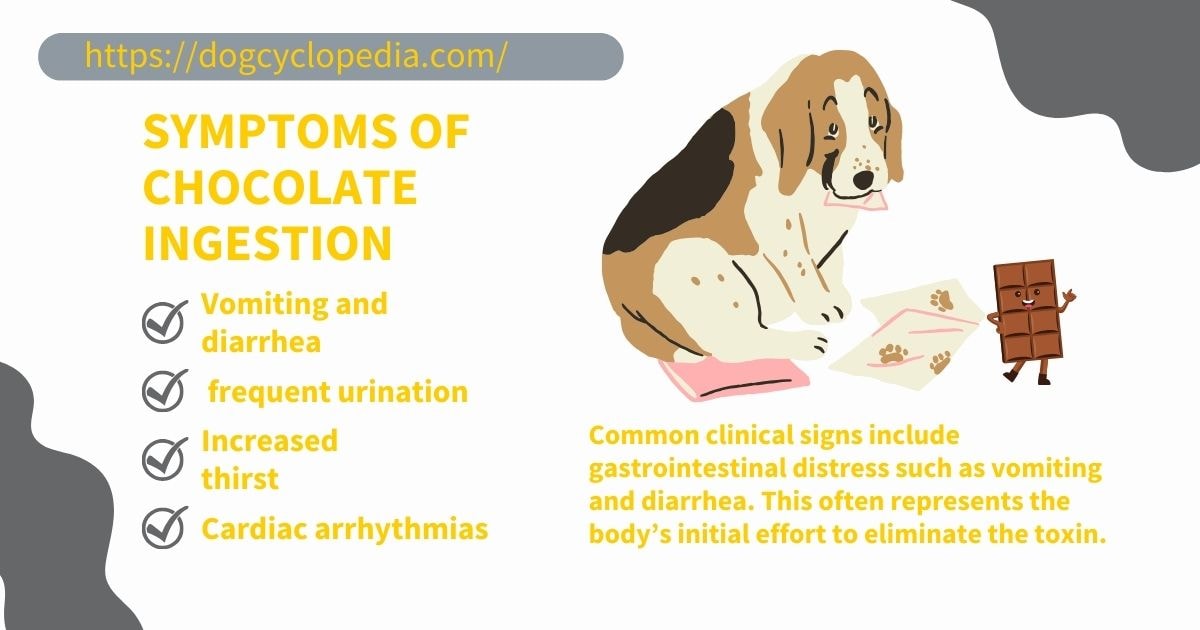
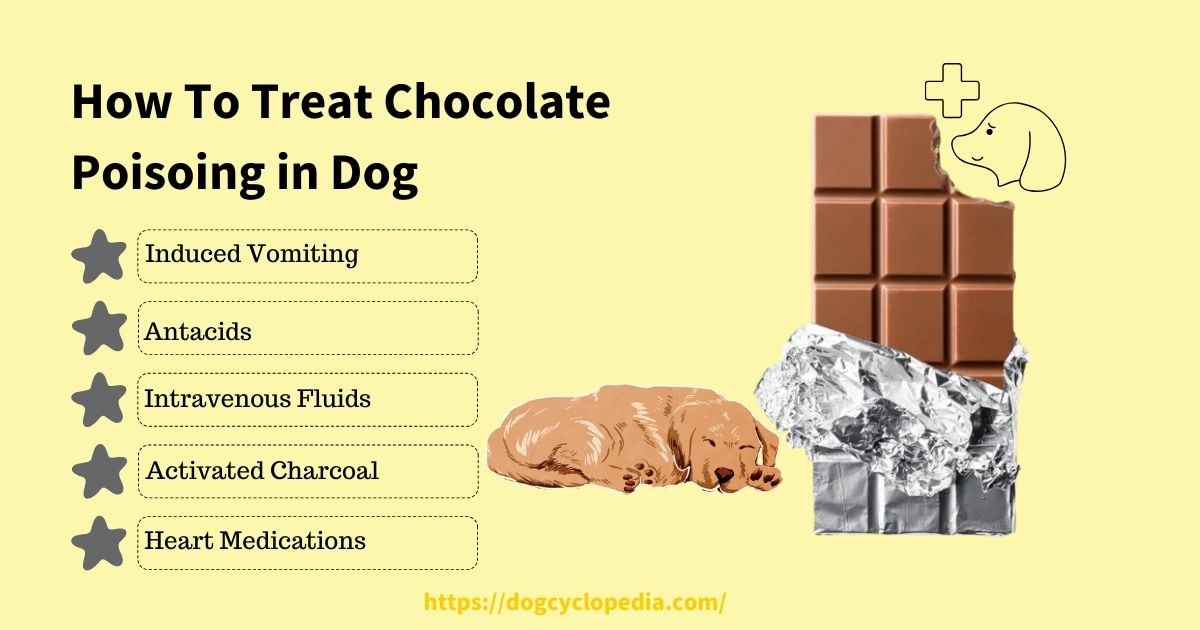
How ischocolatepoisoningindogs treated? Treatment forchocolatepoisoningindogs may include induced vomiting, activated charcoal, intravenous fluids, heart medications, anti-convulsants, and antacids, depending on the clinical signs. What is the prognosis forchocolatepoisoningindogs?

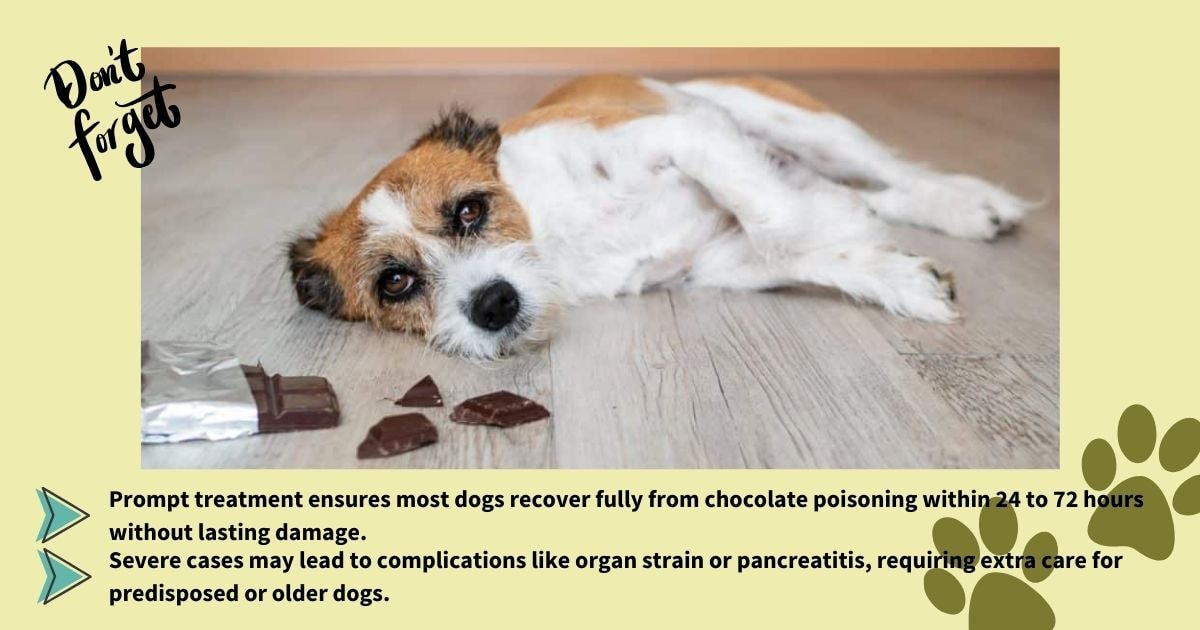
Complicationssuch as aspiration pneumonia from vomiting or prolonged clinical signs can make the prognosis forchocolatepoisoningworse. Clinical signs ofchocolatepoisoningcan take several hours to develop and signs can last for several days. What should I do if my dog eatschocolate?
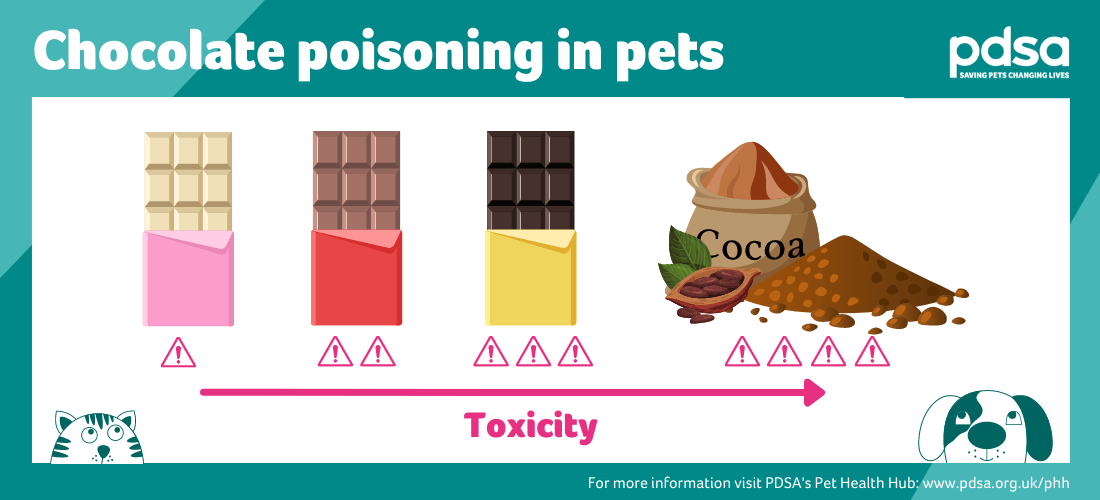
Chocolatetoxicity dogs peaks on holidays. Learn riskychocolatetypes, symptoms, and safe 3% hydrogen peroxide dosing for dogs (not cats).