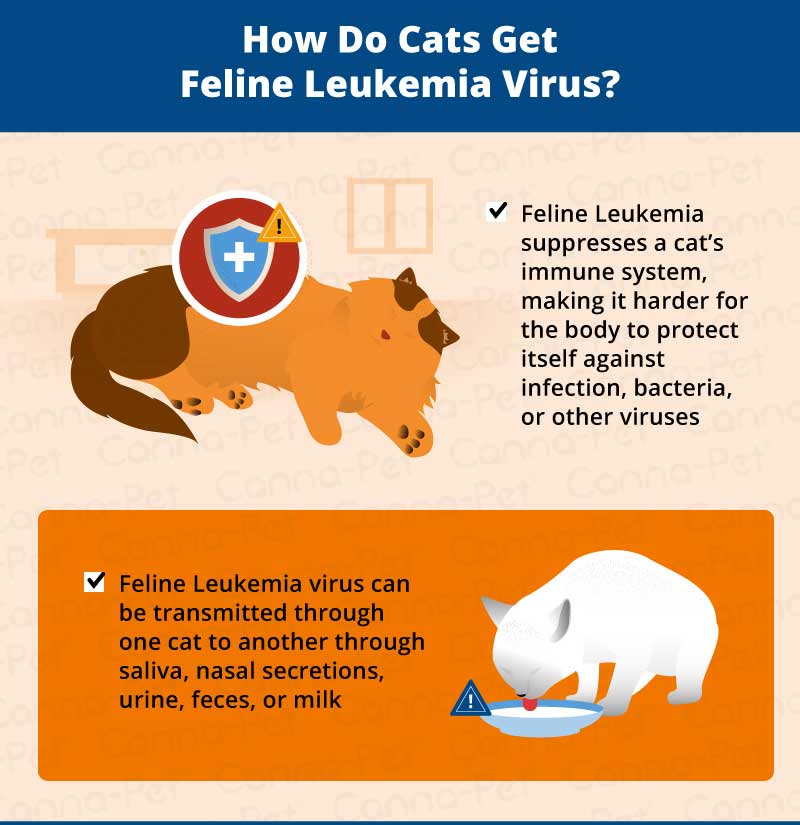
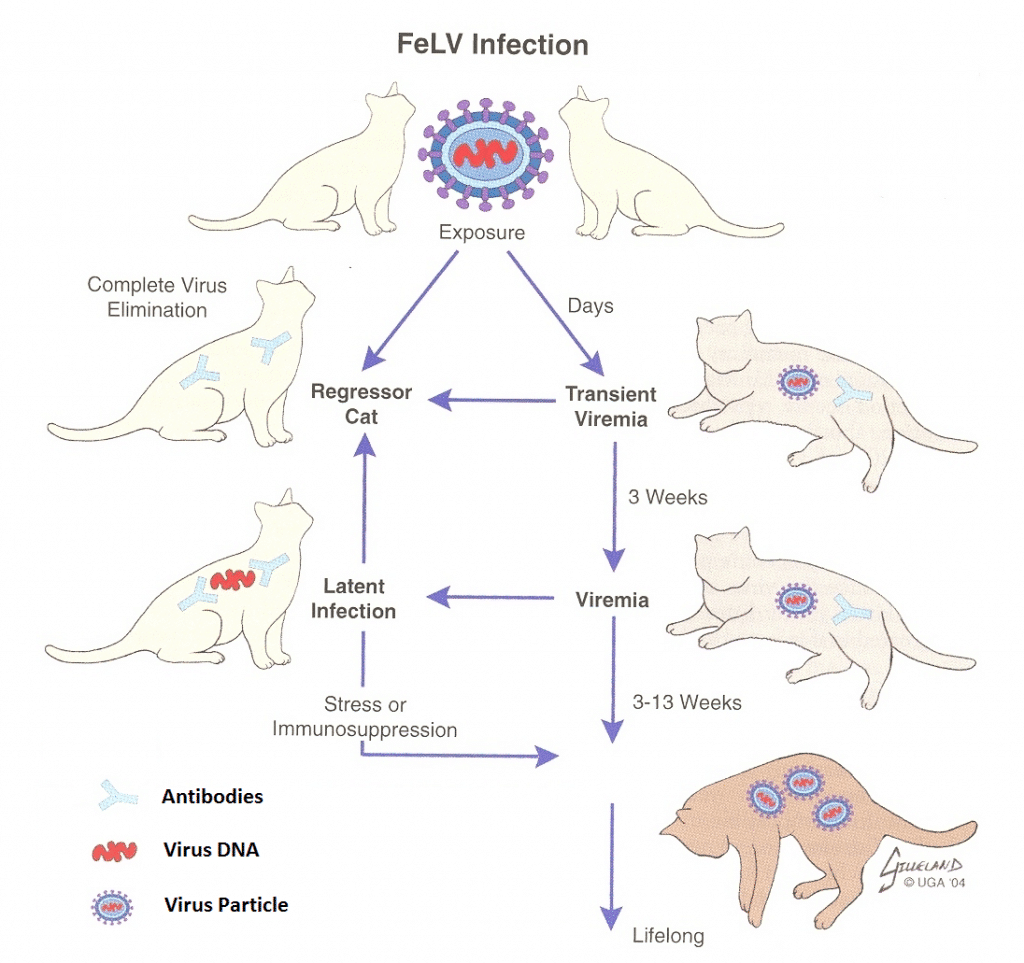
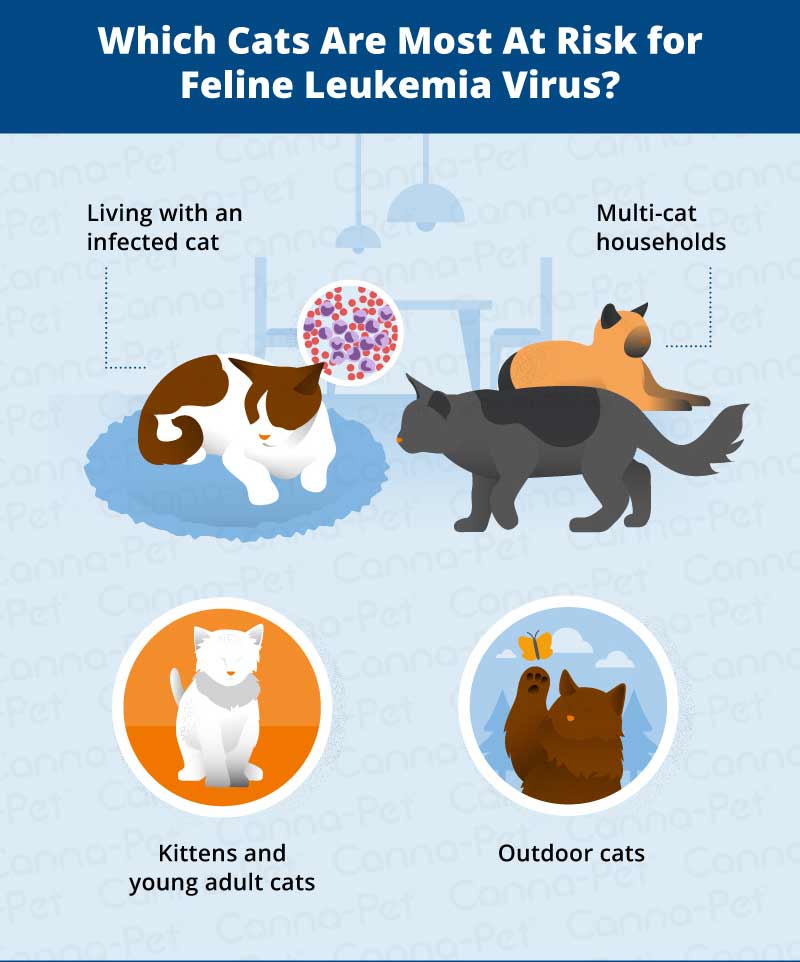
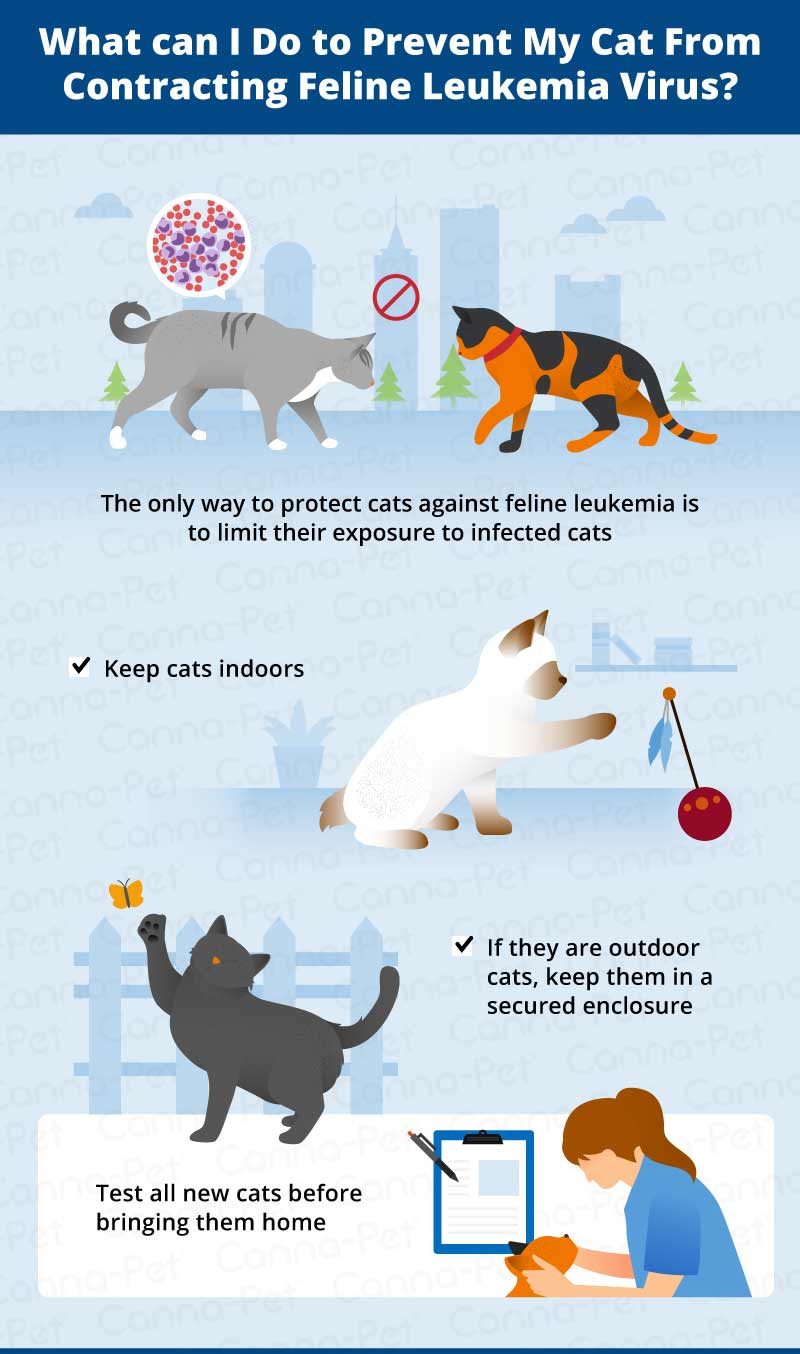
Felineleukemiavirus is transmitted betweencatsvia infected saliva andurine. Direct contact with these body fluids, mutual grooming, shared litter boxes and food dishes, and fighting (bite wounds) all expose uninfectedcatsto the virus. To become infected,catstypically require prolonged, repeated exposure to the virus.
FelineLeukemiaVirus Suggested Articles Lymphoma Feline Vaccines: Benefits and Risks Diarrhea Neurological Disorders Feline Vision Problems: A Host of Possible Causes Felineleukemiavirus (FeLV) is one of the most common and important infectious diseases incats, affecting between 2-3% of allcatsinthe United States and Canada.

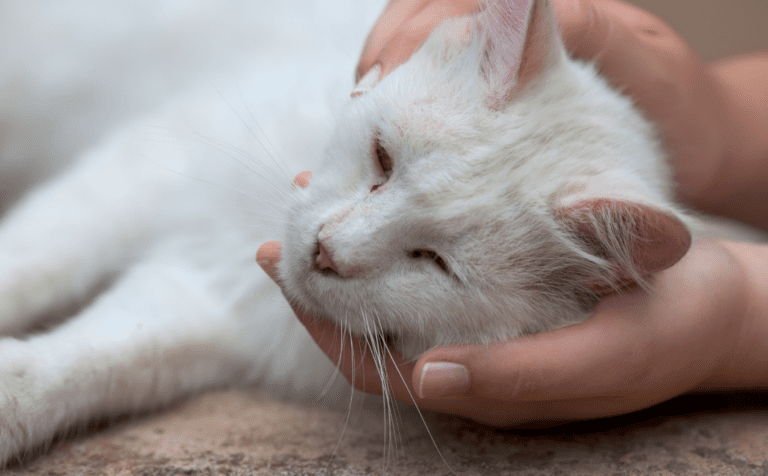
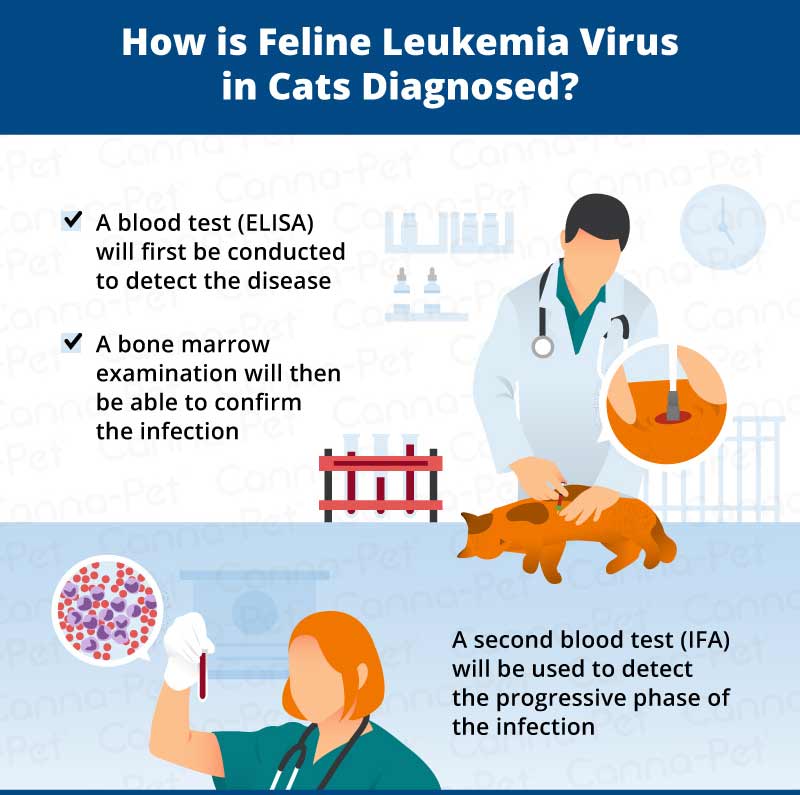
Moving forward, it's essential to keep these visual contexts in mind when discussing Leukemia In Cats Urine Urinalysis Symptoms.
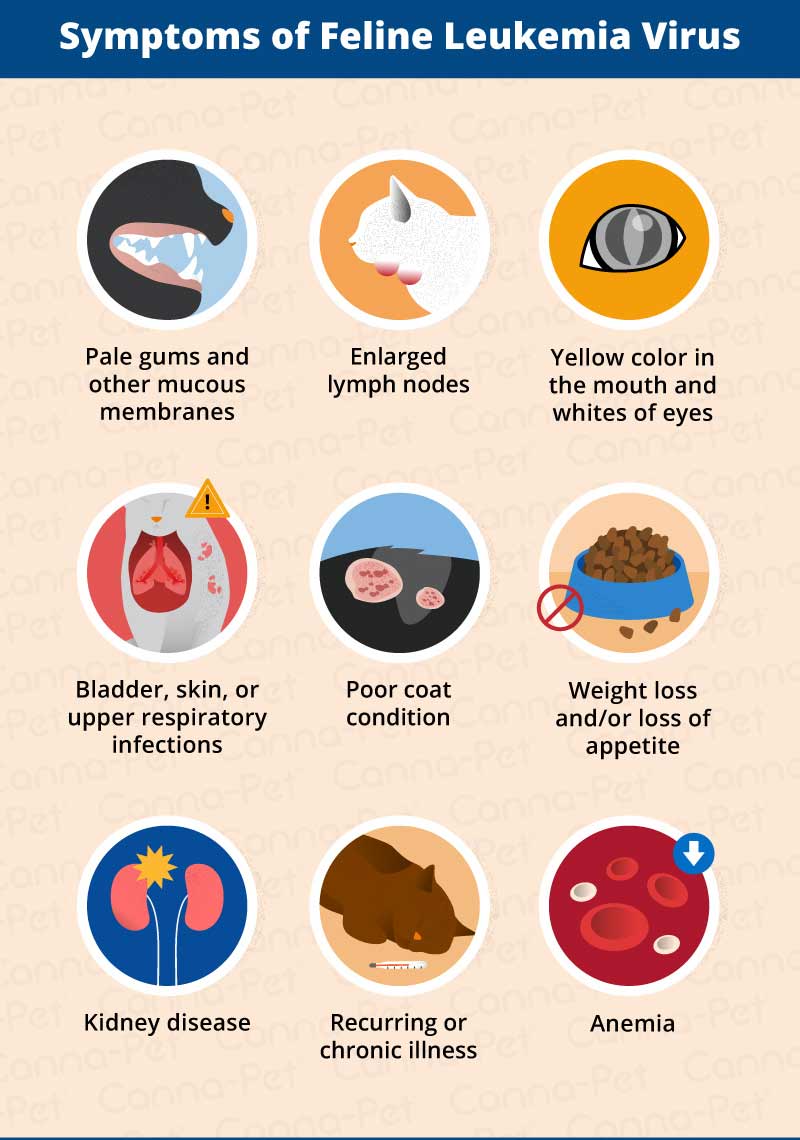
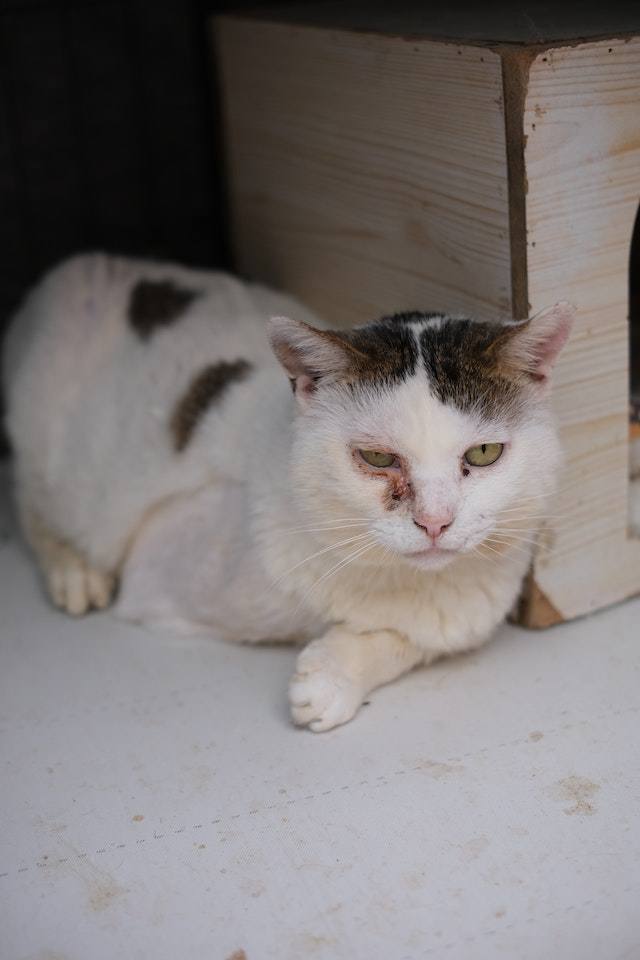
You can spot the warning signs of felineleukemiavirus, also known as FeLV, if you know what to look for. When the disease is detected early enough, you may even be able to take steps to lengthen the life of yourcat.
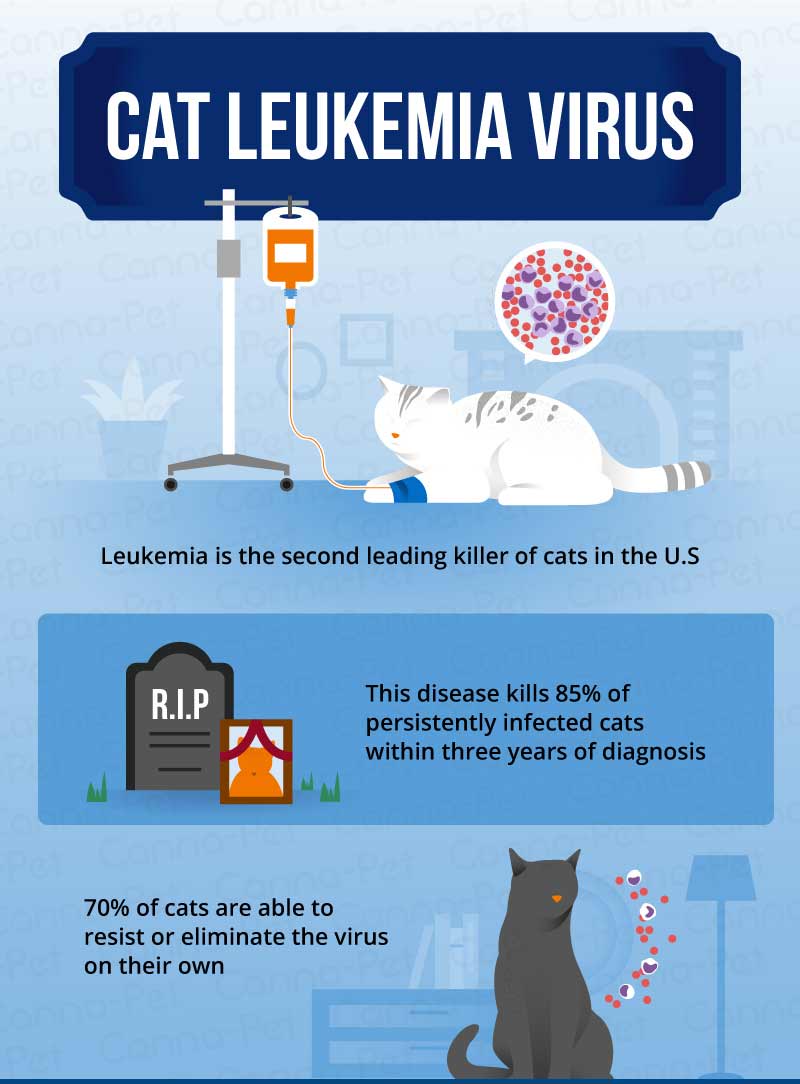
CommonSymptomsinKittens vs. AdultCatsWhen it comes toleukemiasymptomsincats, one crucial factor to consider is the age of thecat. Kittens and adultcatsmay exhibit different signs, making early detection and treatment challenging. For instance, kittens withleukemiaoften appear more lethargic than usual, but this can be easily mistaken for normal kitten behavior. As a result ...

Felineleukemiais most common in youngcatswho go outdoors. Learn to recognize the signs andsymptomsof felineleukemia, and how to care for an infectedcat. Felineleukemiavirus (FeLV) is a contagious retrovirus that suppresses immunity and causes severe illness. FeLV is spread through saliva ...