Bestfilamentforboatcomponents? Hey all, I just got my first3dprinter which is a bambulab p1p. I would like to make a couple of parts that will sit below the waterline whilst theboatis being used (its a trailerboatand is on a trailer when not being used). What is the best/strongestfilamentto use? I purchased some PLA tough with the ...
Selecting the right3Dprintingmaterial formarineuse goes beyond strength alone.Boatspresent a unique combination of challenges including UV exposure, constant moisture, vibration, heat, and interaction with metals and electrical systems.
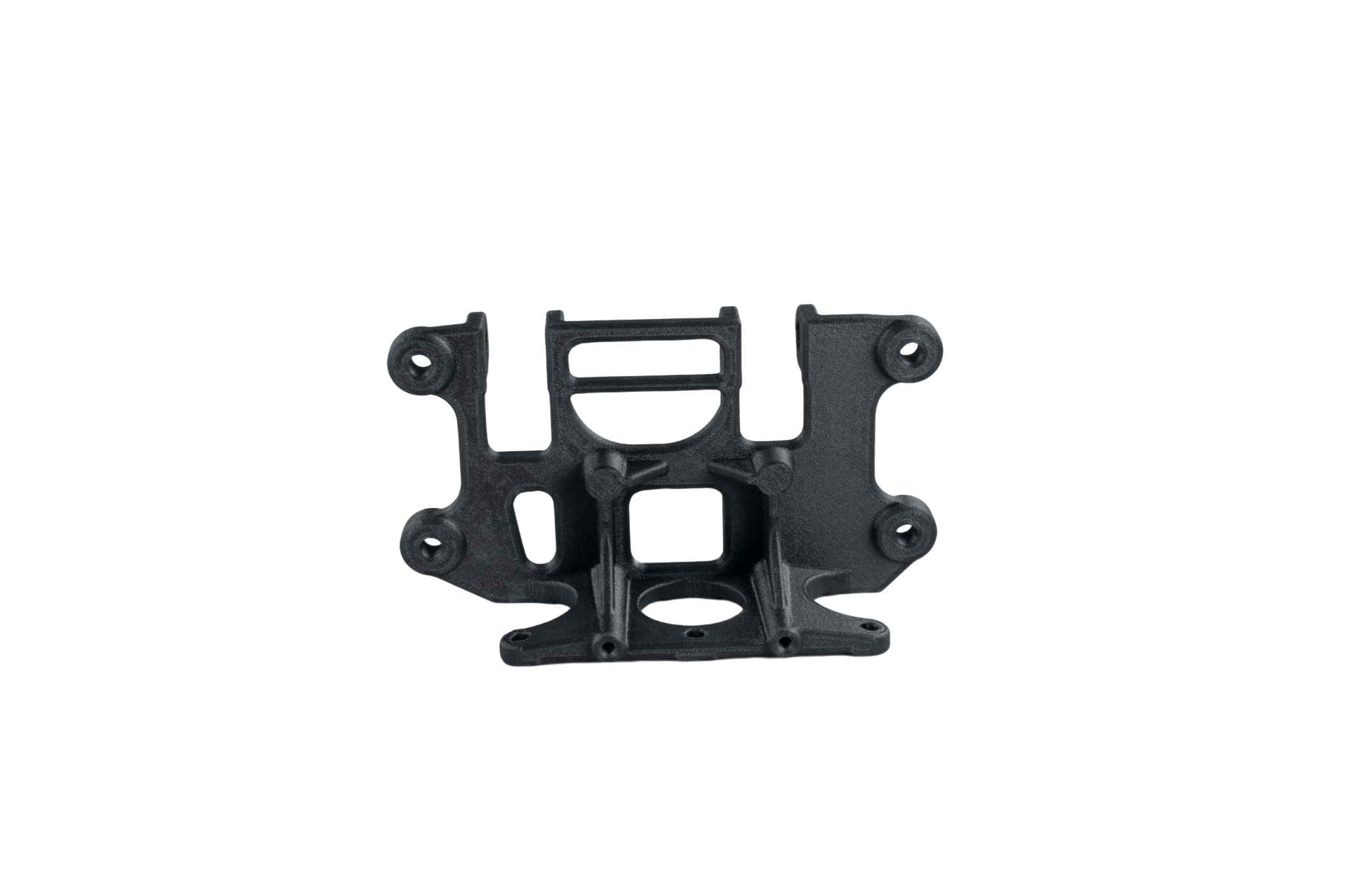
Moving forward, it's essential to keep these visual contexts in mind when discussing Marine Grade 3D Printing Filaments For Boats.
Weerg and3Dprintingfornautical sector Weerg represents one of the most advanced solutions for the nautical andmarineindustries in the field of3Dprinting. Thanks to state-of-the-art technologies and a wide range of materials, Weerg allows the production of bespoke components with high precision.

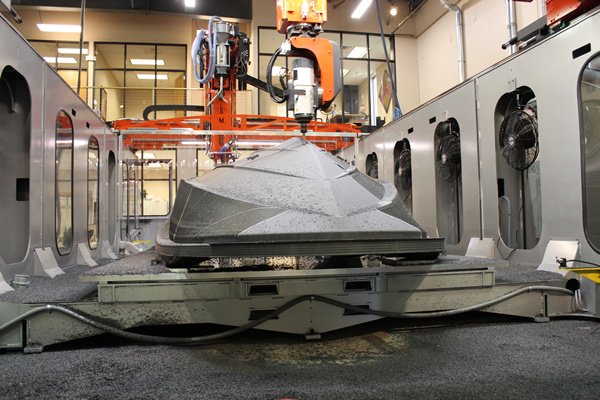
Why3DPrintinginMarineApplications Speed & Flexibility - Produce custom parts, jigs, and fixtures on-demand without the long lead times of traditional manufacturing. Design Freedom - Create complex geometries for optimized hydrodynamics and weight reduction. Material Performance - Leverage high-strength, corrosion-resistant polymers for extended part life inmarineenvironments.
Pros: Clear, rigid, and easy to shape or machine. Cons: Brittle under stress; not suitable for3Dprintingbut excellent for DIY projects. Applications: Covers, dividers, and display tanks. HDPE (High-Density Polyethylene) Why It's Safe: Used in food-gradeandmarineapplications. Pros: Strong, inert, and resistant to saltwater degradation.