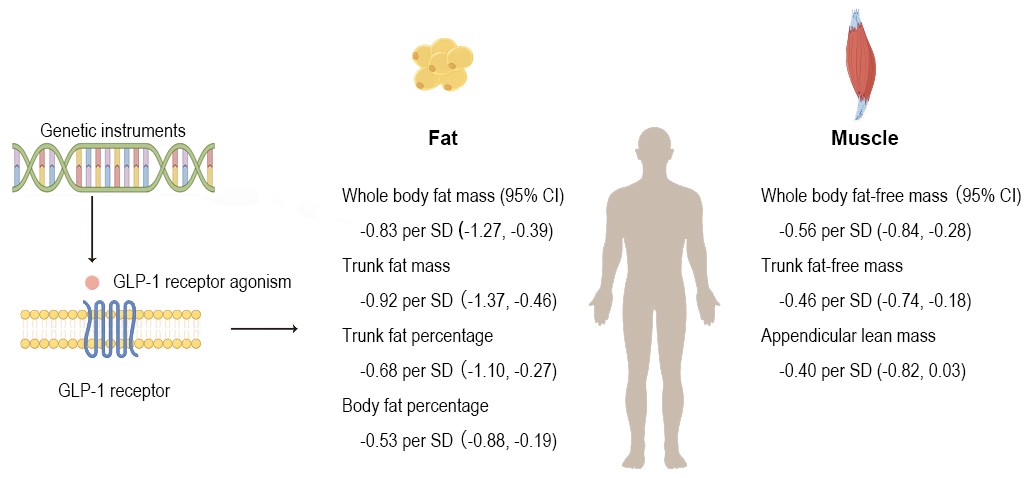
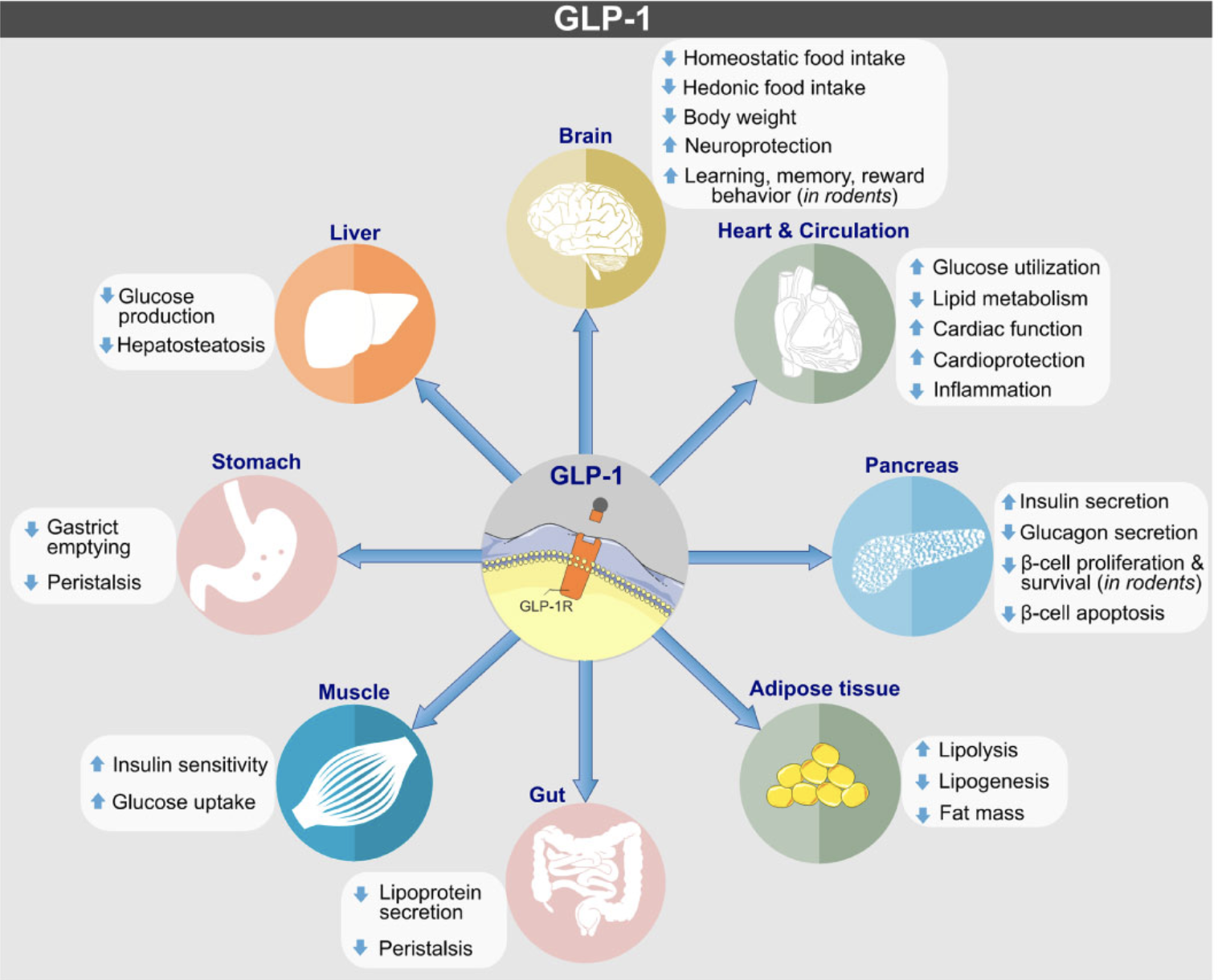
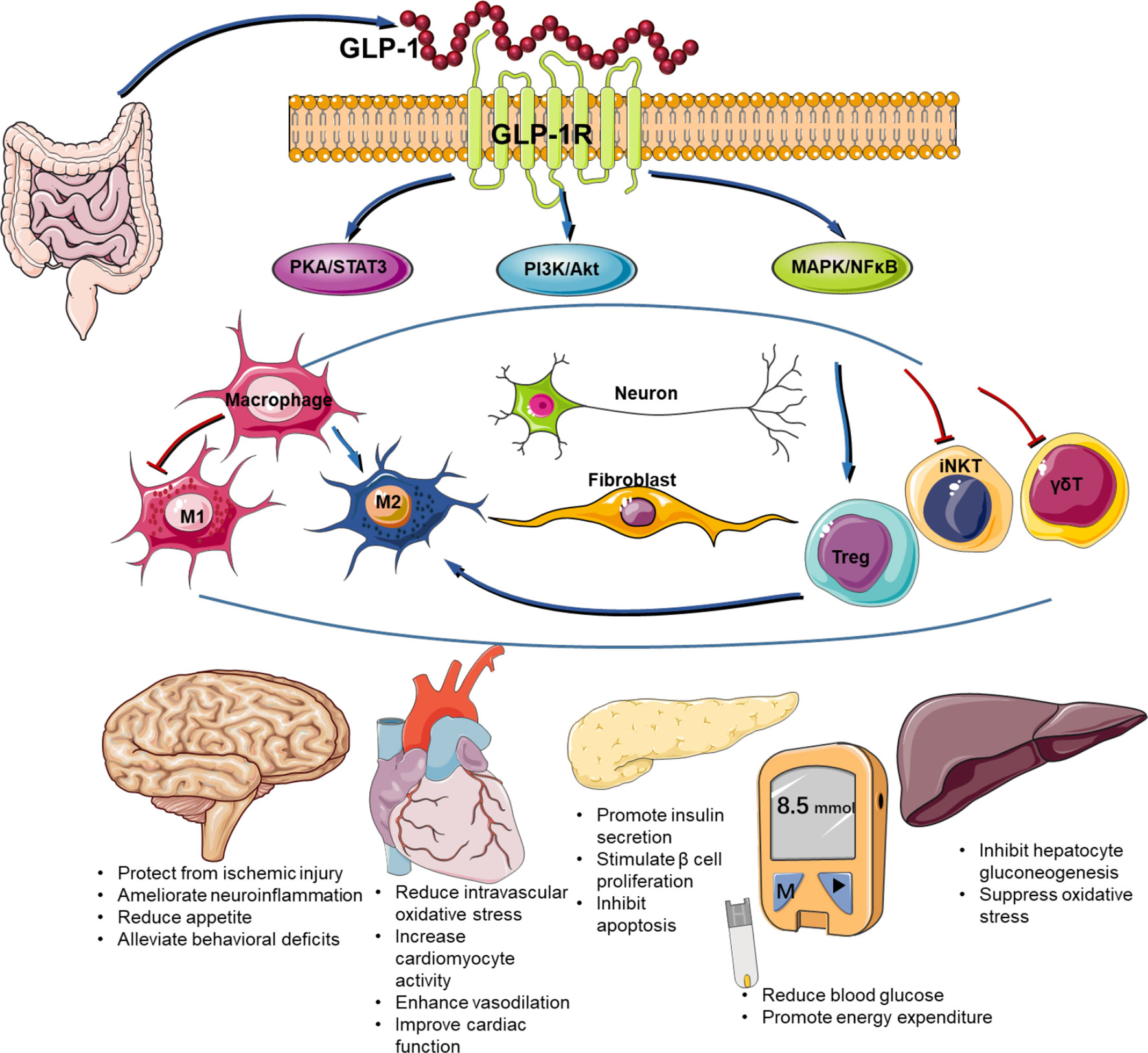
Glucagon-like peptide-1 (GLP-1) is a 30- or 31-amino-acid-long peptide hormone deriving from tissue-specific posttranslational processing of the proglucagon peptide.Glucagon-like peptide-1receptoragonists gained approval as drugs to treat diabetes and obesity starting in the 2000s.
Glucagon-like-peptide-1receptoragonists (GLP-1s) have transformed weight management and treatment of chronic disease. But despite widespread use of these drugs by perimenopausal women, research has largely ignored the unique risks and potential opportunities for optimizing health thatGLP-1smay pose for this population.
Menopause changes your metabolism—not your willpower. Learn howGLP-1medications (Wegovy, Ozempic, Mounjaro, Zepbound) work for midlife weight loss, why HRT may boost results by 35%, and how to protect muscle mass. Includes all FDA-approved options and next steps.
Furthermore, visual representations like the one above help us fully grasp the concept of Perimenopause And Glp-1 Receptor Activation For Improved Metabolism.
InvestigatingGLP-1RAs reveals their impact on women's health, addressing metabolic disorders, reproductive health, and cardiovascular risks during menopause.
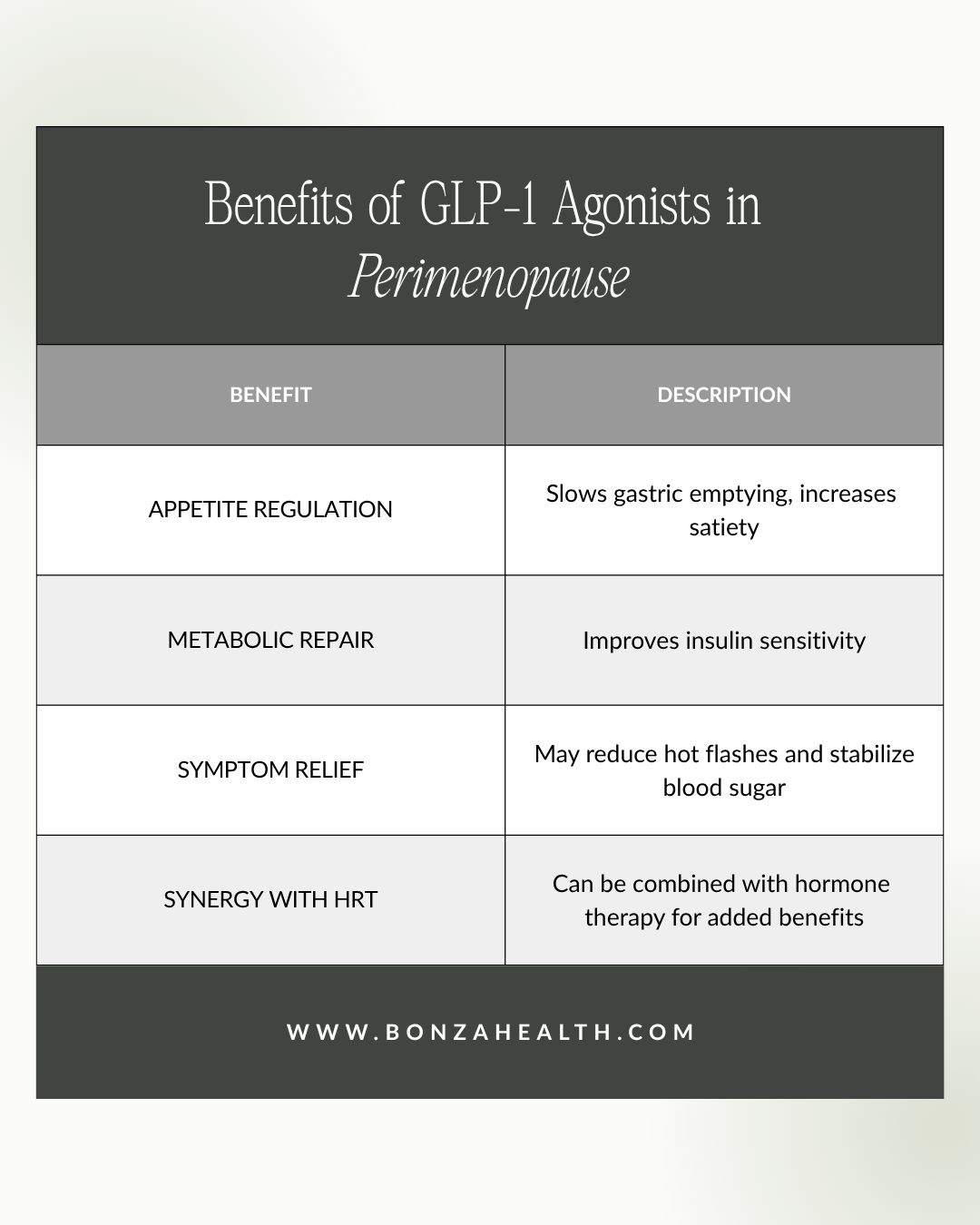
GLP-1receptoragonists such as semaglutide and tirzepatide reduce appetite, improve satiety, and enhance insulin sensitivity. For perimenopausal women facing weight gain and worsening insulin resistance,GLP-1smay provide meaningful support.

This particular example perfectly highlights why Perimenopause And Glp-1 Receptor Activation For Improved Metabolism is so captivating.
Learn howGLP-1medications and hormone therapy work together to reduce menopause belly fat, preserve muscle, and improve midlife health.
ConclusionPerimenopausepresents a unique set of challenges, with weight gain and metabolic changes being among the most difficult to manage.GLP-1agonists have emerged as a powerful therapeutic option that directly addresses these issues, offering significant benefits for weight loss andimprovedblood sugar control.